
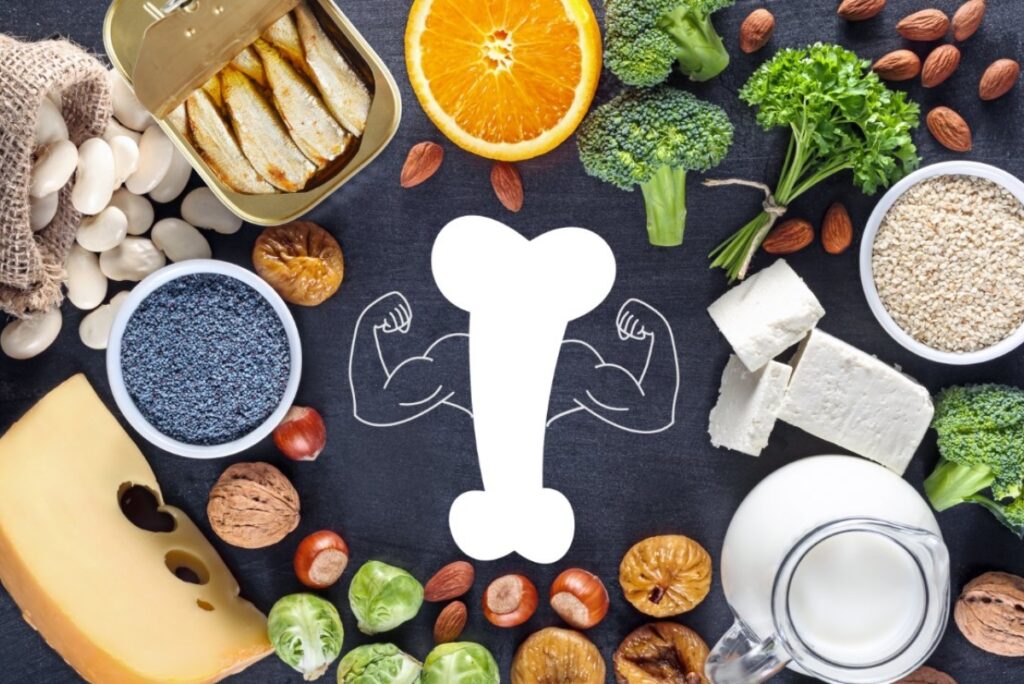
Best Foods for Strong Bones and Healthy Joints - What Your Plate Has to Do With Your Pain
Think about the last time you bent down to tie your shoes, lifted a heavy grocery bag, or enjoyed an evening walk around. We rarely think about our bones and joints when they work smoothly. But when a knee starts to ache or a hip feels stiff, we quickly realize how much our daily independence depends on a healthy musculoskeletal system.
While regular exercise and avoiding sports injuries are vital for skeletal health, the actual foundation of your mobility is built right in your kitchen. The vitamins and minerals you consume every single day determine how well your body repairs minor joint wear and maintains bone density over time.
If you are already dealing with persistent joint pain, structural damage, or severe arthritis, lifestyle changes alone might not be enough. In those situations, seeking the guidance of Dr. Sanesh Tuteja, the best orthopedic surgeon in Mumbai, is the most effective way to protect your long-term mobility. However, for everyday maintenance and preventing premature joint wear, choosing the right foods is your most powerful preventive tool.
Why Your Skeleton Needs Nutritional Support
Your skeleton is not static. Bones are living tissue, constantly being broken down and rebuilt in a process called bone remodeling. Joints depend on cartilage, a firm but flexible tissue that cushions the ends of bones, and that cartilage requires specific nutrients to stay healthy and intact.
When the body doesn’t get enough of the right nutrients, the rebuilding process slows down. Bones become less dense. Cartilage wears faster. Inflammation is the root cause of most joint pain and becomes harder to control.
The good news? Targeted dietary changes can make a measurable difference. Not overnight, but consistently, over weeks and months.
Key Nutrients Essential for Bone and Joint Health
Before getting into specific foods, it helps to understand what you’re actually feeding when you eat for bone and joint health.
Calcium is the most abundant mineral in the body and the primary building block of bone. Without adequate calcium, the body begins pulling it from the bones themselves, gradually weakening them over time.
Vitamin D is what allows calcium to be absorbed. You can eat all the calcium-rich foods you want, but without enough vitamin D, much of it passes through unused. This is a common deficiency in India, particularly in urban populations who spend most of their time indoors.
Collagen is the protein that gives bones their flexibility and forms the structural base of cartilage. Vitamin C plays a critical role in collagen production, which is why it matters for joints as much as for skin.
Omega-3 fatty acids are natural anti-inflammatories. They help reduce the joint swelling and stiffness that characterize conditions like arthritis and post-injury inflammation.
Magnesium and vitamin K₂ work alongside calcium and vitamin D to ensure calcium is directed into bones rather than deposited in arteries or soft tissue.
Foods That Build and Protect Bone Density
1.Dairy Products — Still One of the Best Sources : Milk, curd (dahi), paneer, and buttermilk are rich in calcium and, in fortified versions, vitamin D as well. For most Indians, dairy remains one of the most accessible and bioavailable sources of bone-building calcium.
- One cup of full-fat milk provides roughly 300 mg of calcium
- Homemade curd is easy on digestion and beneficial for gut health, which also affects nutrient absorption
- Paneer is particularly useful for those who need high protein along with calcium
If you’re lactose intolerant, don’t worry — there are excellent plant-based alternatives.
2.Ragi (Finger Millet) — An Underrated Indian Superfood : Ragi deserves far more attention than it typically gets. Among all plant-based foods, it is one of the richest sources of calcium, containing more per 100 grams than milk. It’s also rich in iron and amino acids. Ragi rotis, porridge, or even ragi-based snacks are practical ways to include this grain regularly, especially for older adults who need higher calcium intake.
3.Leafy Green Vegetables : Spinach, methi (fenugreek leaves), drumstick leaves (moringa), and amaranth are all excellent sources of calcium and vitamin K, both critical for bone strength. Moringa in particular is nutritionally exceptional and widely available across India. A word of caution: spinach contains oxalates, which can reduce calcium absorption slightly. Lightly cooking it helps reduce this effect.
4.Sesame Seeds (Til) : A tablespoon of sesame seeds contains a surprisingly meaningful amount of calcium. Til chutney, til laddoo, or simply adding sesame to salads and sabzis is an easy way to boost intake without overhauling your diet.
Foods That Protect Your Joints and Reduce Inflammation
- Fatty Fish : Salmon, sardines, and mackerel are among the richest sources of omega-3 fatty acids. These fats actively reduce inflammatory chemicals in the body, offering real relief for those dealing with joint pain, sports injuries, or post-surgical recovery. For patients recovering from orthopedic procedures, omega-3 intake has been shown to support tissue healing and reduce recovery time. If fresh fatty fish isn’t easily available, good quality fish oil supplements are a reasonable alternative, though food sources are always preferred.
- Walnuts and Flaxseeds: Plant-Based Omega-3s : For vegetarians, walnuts and flaxseeds (alsi) are the best plant-based sources of omega-3 fatty acids. A small handful of walnuts daily, or a teaspoon of ground flaxseed added to rotis or smoothies, can meaningfully contribute to joint health over time.
- Turmeric: The Kitchen Staple With Real Science Behind It : Curcumin, the active compound in turmeric, has well-documented anti-inflammatory properties. Studies have shown it can help reduce joint pain in osteoarthritis patients, comparable in some cases to over-the-counter anti-inflammatory medications but without the side effects of long-term drug use. Using turmeric in cooking is beneficial, but the amounts in typical food are modest. For therapeutic purposes, turmeric with black pepper (which enhances absorption) or curcumin supplements may be more effective. Always discuss supplementation with your doctor before starting.
- Ginger : Like turmeric, ginger contains compounds that inhibit inflammatory pathways. Regular consumption in chai, cooking, or as fresh ginger in warm water can help manage chronic low-grade joint inflammation.
- Citrus Fruits and Amla (Indian Gooseberry) : Vitamin C is non-negotiable for joint health. It is essential for collagen synthesis, the process by which cartilage and connective tissue are built and maintained. Amla is one of the highest sources of vitamin C among all fruits globally, making it a powerful and affordable option. Oranges, lemons, guava, and bell peppers are also excellent sources. Eating one to two vitamin C-rich foods daily is a straightforward habit with significant long-term benefits.
Foods and Habits That Work Against Your Bones
It’s equally important to know what undermines bone and joint health.
- Excess salt causes the kidneys to excrete more calcium, depleting bone stores over time
- Sugary drinks and processed foods promote systemic inflammation and contribute to weight gain, which increases stress on joints
- Excessive alcohol interferes with calcium absorption and bone cell activity
- Smoking reduces blood supply to bone tissue and significantly slows healing after fractures or orthopedic surgery
- Very high caffeine intake may mildly reduce calcium absorption; moderate consumption is generally fine, but excessive chai or coffee is worth moderating
A Simple Daily Eating Pattern for Bone and Joint Health
You don’t need to follow a complicated diet. Small, consistent changes add up.
- Morning: Start with soaked walnuts or a glass of milk / fortified plant-based milk. A piece of fruit rich in vitamin C (amla, orange, or guava) works well here.
- Midday meal: Include a leafy green sabzi (spinach, methi, or moringa), a serving of dal or legumes for protein, and consider adding ragi rotis a few times per week.
- Evening snack: A small handful of til laddoo, roasted seeds, or a turmeric-ginger herbal drink.
- Dinner: Keep it light. Include some form of protein, paneer, eggs, fish, or dal and a cooked vegetable.
- Sun exposure: Spend 20–30 minutes in morning sunlight daily. This remains the most effective way to maintain vitamin D levels, and it costs nothing.
Closing Thoughts
Taking care of your bones and joints doesn’t require dramatic changes. It requires consistently eating well, staying active, getting sunlight, and staying alert to what your body is telling you.
Food is not a substitute for medical care, but it is one of the most powerful tools you have for prevention and recovery. Patients who combine good nutrition with appropriate medical treatment almost always do better and feel better than those who focus on only one or the other.
For compassionate, personalized guidance and world-class care, you can turn to Dr. Sanesh Tuteja, widely regarded as the Best Orthopedic Surgeon in Mumbai. Backed by extensive international expertise and a clinical focus centered on advanced joint preservation and minimally invasive surgical techniques, he is dedicated to helping patients find lasting relief from pain.